
 See Our Latest Article on HelloNation
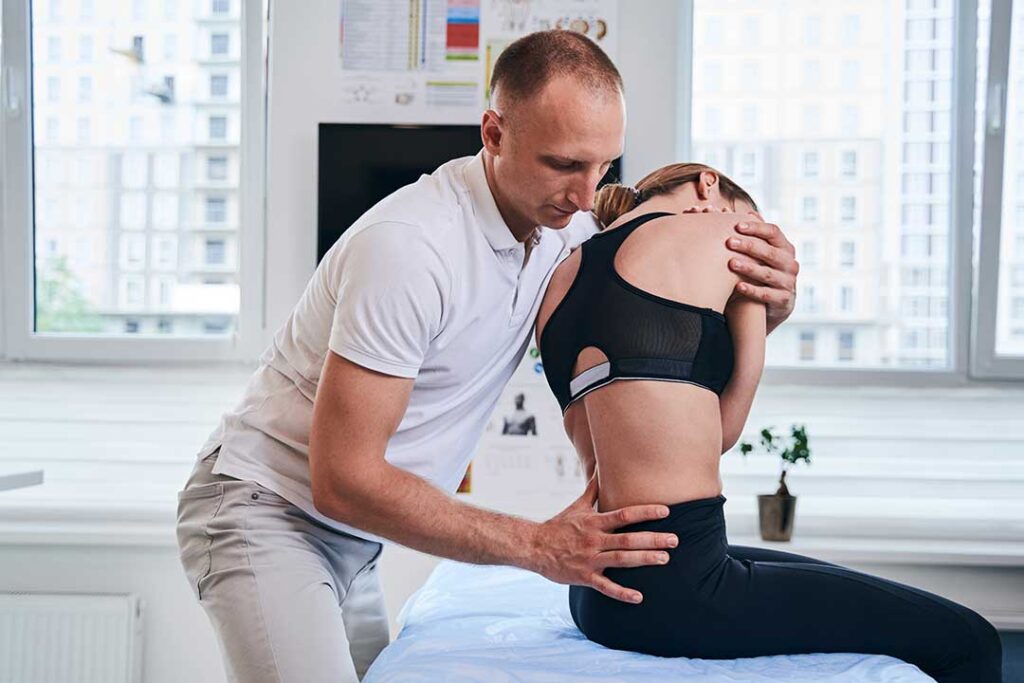
Chronic pain is generally defined as pain lasting longer than three months. It may involve the back, neck, joints, muscles, nerves, or several areas at once, and it can affect sleep, mood, movement, work, and household responsibilities. Self-care cannot replace medical evaluation, but consistent daily habits can improve comfort and function for many people. ([ninds.nih.gov](https://www.ninds.nih.gov/health-information/disorders/pain?utm_source=openai))
What does chronic pain self-care involve?
Effective self-care usually combines gradual movement, steady sleep habits, pacing, stress management, and careful observation of symptoms. The goal is not always to eliminate pain completely. A more practical goal may be to walk farther, sit more comfortably, sleep better, or complete ordinary tasks with fewer flare-ups.
Pain is personal, so the same strategy will not work equally well for everyone. A useful plan should account for the pain’s cause, other health conditions, medications, age, physical abilities, and daily responsibilities.
How can movement help without causing a flare-up?
Gentle, regular movement is often more useful than alternating between complete rest and occasional intense activity. Physical activity can support mobility, sleep, mood, and daily function, and it may reduce pain related to conditions such as arthritis. ([cdc.gov](https://www.cdc.gov/chronic-disease/living-with/index.html?utm_source=openai))
Start below the level that typically triggers a flare-up. Examples may include:
- A short walk on level ground
- Gentle range-of-motion exercises
- Light strengthening using body weight or resistance bands
- Water-based movement if weight-bearing activity is uncomfortable
- Brief movement breaks during desk work or household chores
Increase time or intensity slowly—often by only a small amount every several days. Mild, temporary soreness can occur when activity changes, but sharp, radiating, rapidly worsening, or disabling pain is a reason to stop and reassess.
During colder months, outdoor walking may be less appealing because of snow, ice, or stiff morning temperatures. Indoor walking, hallway laps, gentle mobility exercises, or several short activity periods can provide alternatives. Clear walkways and supportive footwear also reduce fall risk.
What does pacing mean, and why is it useful?
Pacing means dividing activities into manageable portions instead of pushing through a good day and spending the next day recovering. It is particularly helpful for people whose symptoms fluctuate.
A simple approach is to identify how long an activity can usually be performed before symptoms increase. Stop slightly before that point, rest briefly, and resume later. For example, cleaning a room in three ten-minute periods may be more sustainable than doing the entire task at once.
Pacing can also apply to:
- Grocery carrying and laundry
- Yard work and snow removal
- Long periods of driving or sitting
- Stairs, bathing, and meal preparation
- Computer or phone use
Keep frequently used objects at a comfortable height when possible. During household projects, alternate standing, walking, and sitting rather than staying in one position for a prolonged period.
Can sleep affect chronic pain?
Yes. Poor sleep can increase fatigue, reduce coping ability, and make pain feel more intrusive. A consistent sleep and wake schedule may help the nervous system settle into a more predictable rhythm. The National Institute of Neurological Disorders and Stroke identifies sleep routines, relaxation strategies, mindfulness, and activity scheduling as approaches that may help people cope with chronic pain. ([ninds.nih.gov](https://www.ninds.nih.gov/health-information/disorders/pain?utm_source=openai))
Helpful habits include:
- Keeping a regular wake-up time, including on weekends
- Limiting bright screens close to bedtime
- Using the bed mainly for sleep
- Keeping the bedroom comfortable, quiet, and appropriately cool
- Avoiding late-day caffeine if it interferes with sleep
- Using gentle breathing or muscle-relaxation exercises before bed
A new mattress or pillow is not automatically the answer. Comfort, sleep position, temperature, and consistent routines matter more than a particular product.
How can heat, cold, and relaxation be used safely?
Heat may ease muscle tightness and make gentle movement more comfortable. Cold can temporarily reduce soreness or swelling after certain activities. Neither method corrects the underlying cause of chronic pain, and both should be used cautiously.
Protect the skin with a cloth barrier, avoid falling asleep with a heating device, and limit exposure according to the device instructions. People with reduced sensation, circulation problems, or conditions affecting temperature awareness should ask a qualified healthcare professional before using heat or cold.
Stress does not mean pain is imaginary. Pain and stress can influence each other through muscle tension, sleep disruption, attention, and the body’s alarm systems. Slow breathing, mindfulness, quiet music, journaling, and brief periods of relaxation may reduce distress even when they do not eliminate the physical source of pain.
Should someone track pain symptoms?
A short symptom record can reveal patterns that are difficult to notice from memory. Track information such as:
- Pain location and quality
- Activity, posture, or movement before symptoms changed
- Sleep duration and sleep quality
- Stress, mood, and energy
- What helped or worsened symptoms
- How long a flare-up lasted
Avoid judging the day only by a pain score. Function-based measures may be more useful: minutes walked, hours slept, ability to prepare a meal, or time spent sitting comfortably.
A symptom diary can also help distinguish a temporary response to increased activity from a continuing change that deserves medical attention.
Are over-the-counter pain medicines part of self-care?
They can be appropriate for some people, but they are not risk-free. Pain relievers may interact with prescription medicines or worsen problems involving the stomach, kidneys, liver, blood pressure, bleeding risk, or other conditions. Follow the label, avoid taking multiple products with the same active ingredient, and ask a pharmacist or medical professional when the correct choice is uncertain.
Do not change, stop, or combine prescribed medicines without guidance. Medication should support a broader plan rather than become the only response to recurring pain.
When should chronic pain be medically evaluated?
A new pain pattern, steadily worsening pain, unexplained weight loss, fever, a history of cancer, significant injury, or symptoms that interfere with sleep and daily function deserve timely evaluation. Urgent assessment is especially important for sudden weakness, loss of bladder or bowel control, numbness in the groin area, severe shortness of breath, chest pressure, or a limb that becomes cold, pale, or markedly swollen.
Self-care is also not a substitute for evaluation when pain follows a fall, collision, lifting injury, or other event that could have caused a fracture or serious tissue injury. Persistent numbness, tingling, burning, or weakness may suggest nerve involvement and should not be dismissed as ordinary muscle soreness.
For residents managing pain in Orangetown, changes in weather, slippery outdoor surfaces, commuting demands, stairs, and seasonal household tasks can all affect symptoms. Adjusting activities around those conditions—while maintaining safe, regular movement—can make a self-care plan more realistic and sustainable.
([ninds.nih.gov](https://www.ninds.nih.gov/health-information/disorders/pain?utm_source=openai))
