
 See Our Latest Article on HelloNation
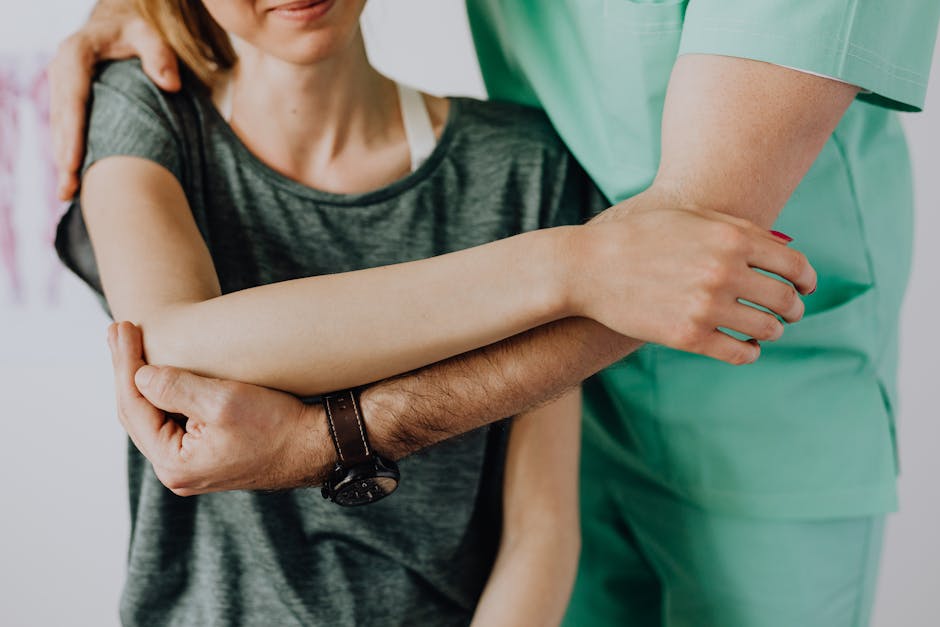
Living in Orangetown, New York, we love to stay active—whether it’s hiking Hook Mountain, taking morning runs around Veteran’s Memorial Park, or simply keeping up with busy family and work schedules. One common question that often pops up in my chiropractic practice here is: “Is it bad to crack my joints?” Whether you’re relaxing after a day at Lake Tappan or stretching after a pickup game at Sparkill’s sports fields, this question is both relevant and important. Let’s clear up the myths and bring you the real story about joint cracking.
What Causes That Popping Sound?
You might notice the satisfying “pop” or “crack” when you stretch your fingers, twist your back, or get up from a comfy couch after watching a local Orangetown football game. But what’s really happening inside your body?
- Gas Bubbles: The most common scientific explanation involves synovial fluid, which lubricates your joints. When you stretch a joint, you create negative pressure, pulling gases (mainly nitrogen) into the joint space, which quickly forms a bubble and then collapses, making that trademark cracking sound.
- Tendon Movement: Sometimes, the sound comes from tendons quickly snapping over a joint as you move.
- Ligament Movement: Tight ligaments can also stretch and snap, producing a similar popping noise.
Is Cracking Your Joints Harmful?
This is where a lot of myths emerge, especially in close-knit communities like Orangetown, where tips and folk advice travel fast. So, here’s what medical research tells us:
- No Evidence of Arthritis: Numerous studies—including the famous one conducted by Dr. Donald Unger, who cracked only one hand for decades—have found no link between habitual knuckle-cracking and arthritis.
- Potential Risks: Rarely, excessive self-cracking or aggressive movements can irritate the joint lining or sometimes lead to temporary swelling or reduced grip strength. However, these cases are uncommon, especially with moderate, natural cracking.
- Underlying Issues: If joint cracking is accompanied by pain, swelling, or loss of function, residents of Orangetown should consult a chiropractor or healthcare provider. Cracks with pain can sometimes indicate injury, cartilage wear, or other joint problems that shouldn’t be ignored.
Why Do We Love the Feeling?
Cracking joints often brings a sense of relief—something that feels especially good after shoveling snow off a Rockland County driveway or gardening in your Orangetown backyard.
- Endorphin Release: The action can stimulate mechanoreceptors in the joint capsule, leading to a release of feel-good endorphins.
- Psychological Satisfaction: For many, the audible pop is psychologically pleasing—it marks the end of tension or stiffness, which is especially nice after a day spent commuting on Route 303 or finishing chores at home.
Is It Safe to Crack Your Own Joints?
For most Orangetowners, occasional joint cracking is safe when done without force or pain. But, just like local outdoor activities, moderation and proper technique are important.
- Don’t Force It: Never push or pull joints beyond their comfortable range. Forcing a joint can cause strain.
- Focus on Flexibility: Gentle stretching and regular movement—like participating in Orangetown’s community fitness events—are great for joint health, and often reduce the urge to self-crack.
- When to Seek Help: If your joint cracking started suddenly or is paired with pain or swelling, see a healthcare professional in Orangetown for assessment.
How Chiropractors Use Joint Manipulation
People often ask if chiropractic adjustments are just “cracking backs.” Here’s the difference for our Orangetown neighbors:
- Controlled Movements: Chiropractic adjustments are specific, controlled, and performed by trained professionals to improve function and reduce discomfort.
- Therapeutic Benefits: The goal isn’t just the sound—it’s about restoring joint mobility, reducing nerve irritation, and balancing the musculoskeletal system.
- Personalized Care: Unlike self-cracking, chiropractic care considers your unique health profile, activity level, and lifestyle in Orangetown.
Practical Tips to Keep Your Joints Healthy in Orangetown
Whether you love hiking, sports, or simply want to enjoy walks along Blauvelt Trail, here’s how you can maintain joint health:
- Stay Active: Regular movement keeps synovial fluid circulating and joint structures healthy.
- Strengthen & Stretch: Focus on balanced strength training and flexibility routines.
- Hydrate & Eat Well: Drink water (especially after being outdoors in local parks) and eat a diet rich in joint-supportive nutrients like omega-3s.
- Listen to Your Body: Painful cracking is a warning sign—don’t ignore it.
Frequently Asked Questions About Joint Cracking
- Does cracking my knuckles make them bigger?
No studies support this claim. The appearance of knuckles is usually genetic or related to other joint conditions, not cracking.
- Can I crack my back safely?
Gentle stretching or certain yoga poses (many of which are taught in Orangetown’s community classes) may provide relief. But avoid twisting or putting pressure on joints beyond their limits.
- Should children or teens crack their joints?
Occasional joint sounds in growing kids and teens are common and rarely a concern unless pain or swelling is involved.
Conclusion: Embrace Activity, Don’t Fear the Pop
In the vibrant community of Orangetown, New York, staying mobile and healthy is key to keeping up with all that our scenic town has to offer. Joint cracking, for most people, is a normal occurrence and nothing to fear if accompanied by comfort and free movement. But, as always, trust your body—and never hesitate to consult a local chiropractic professional if you’re unsure about your joint health.
Feel free to enjoy life, stay active, and worry less about the occasional pop—you’ll be in good company here in Orangetown!
