
 See Our Latest Article on HelloNation
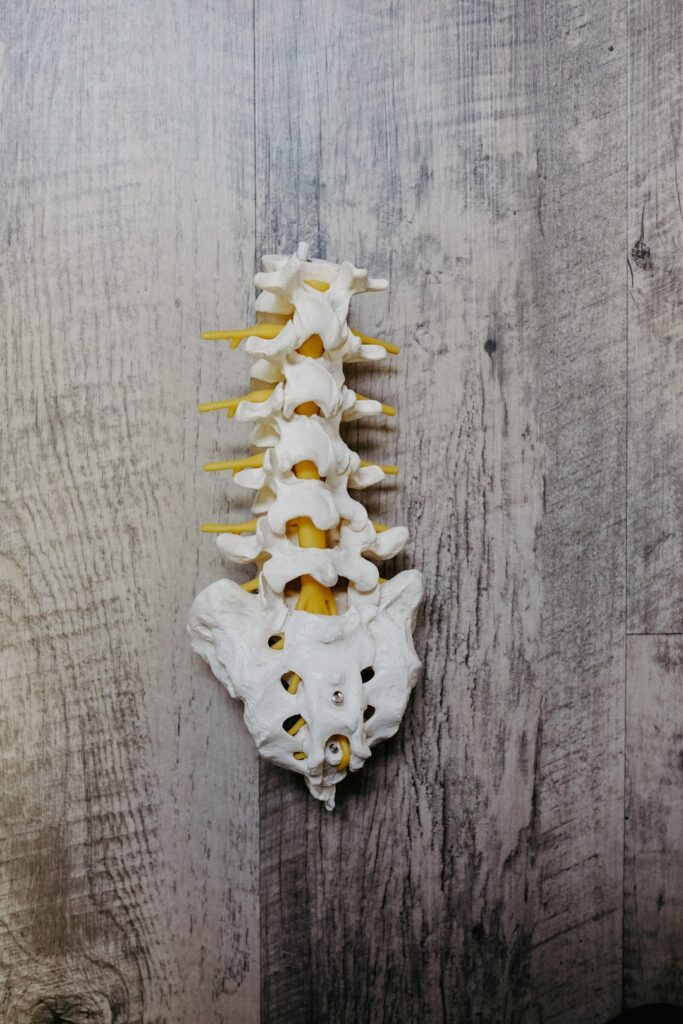
Back pain is one of the most common health problems affecting people of all ages. Whether you’re browsing the farmer’s market at Veteran’s Memorial Park, spending a Saturday hiking in Tallman Mountain State Park, or simply commuting along Route 303, back discomfort can suddenly put your active Orangetown lifestyle on pause. Unfortunately, there are many myths and misconceptions about back pain that often prevent people from seeking the right help or taking effective preventative measures. In this blog, we’ll break down some of the most prevalent back pain myths and provide evidence-based insights, all while referencing the unique habits and routines of Orangetown, NY residents.
Myth 1: Back Pain Is Always Caused by a Serious Injury
A lot of people immediately fear the worst when they experience back pain, believing it must be due to a severe injury or underlying disease. In reality, for most Orangetown locals, back pain is much more likely to result from:
- Prolonged sitting at a desk job (common in suburban NY commuters)
- Overexertion during seasonal yard work or gardening
- Lifting the kids at local playgrounds
- Sporting activities or weekend softball games
Most cases stem from muscle strain, poor posture, or minor sprains. While severe or sudden back pain, especially if accompanied by other symptoms, should be evaluated by a healthcare provider, the majority of cases are due to benign causes. Recognizing this can help reduce unnecessary worry and promote early, conservative management.
Myth 2: Bed Rest Is the Best Cure for Back Pain
It’s easy to believe that lying down and avoiding movement is the quickest way to heal a sore back. However, research and expert advice consistently show that too much bed rest can actually prolong recovery. Orangetown’s scenic parks and walking trails offer a great opportunity for gentle, low-impact activity, which often helps back pain heal more quickly than inactivity.
- Staying active—taking slow walks around your neighborhood, walking along the Esposito Rail Trail, or gently stretching—keeps the muscles strong and flexible
- Prolonged inactivity can lead to muscle weakening, contributing to more pain and stiffness in the long run
Myth 3: Only Older People Get Back Pain
While age is a risk factor, back pain certainly isn’t exclusive to seniors. Parents of young children, students at Pearl River High School carrying heavy backpacks, warehouse workers, and even young athletes in Orangetown are all at risk. Repetitive stress, improper ergonomics, and overuse injuries can trigger back problems at just about any age.
- Maintain good form when lifting objects, even if you’re young and active
- Use ergonomic furniture, especially if you’re working from home or remote schooling in Rockland County
Myth 4: Back Pain Means You Should Avoid All Exercise
Many Orangetown residents participate in activities like yoga, golf at Blue Hill Golf Course, or cycling on weekends. Some may fear that exercise could worsen their pain, but appropriate physical activity is actually one of the best remedies for most cases of back pain.
- Low-impact activities like walking, swimming, or yoga strengthen muscles supporting the spine
- Exercise helps control weight, reduces stress, and improves mobility
- Always consult with your chiropractor or healthcare provider about which movements are safe, especially if you’re experiencing acute pain
Myth 5: Surgery Is the Only Solution for Persistent Back Pain
Hearing about someone who needed surgery for their back problems can spark anxiety. In truth, less than 5% of all back pain cases end up needing surgical intervention. Most chronic or ongoing pain can be managed or resolved through:
- Chiropractic care and manual therapy
- Physical therapy and specific exercise regimens
- Lifestyle changes, such as improved ergonomics
- Stress management techniques
- Over-the-counter medications or other conservative measures

Orangetown offers a variety of resources, including community fitness classes and therapy centers, making non-surgical options easily accessible.
Myth 6: If You Can’t Find a Clear Cause, the Pain Isn’t Real
Sometimes, back pain doesn’t show up on an X-ray or MRI. This can be frustrating, especially in a small, close-knit community like Orangetown, where people might worry their concerns aren’t being taken seriously. However, back pain is often due to muscle or ligament strain, biomechanical imbalances, or nerve irritation, which may not be visible on imaging studies.
- Pain is a real experience even without a clear “cause” on a scan
- Persistent symptoms should always be discussed with a healthcare provider
Myth 7: Back Pain Is Inevitable and You Just Have to Live with It
Some believe back pain is just a part of life, especially as we get older or after years of physical work. But with proper preventative measures, education, and conservative care, the impact of back pain can often be reduced or even prevented.
- Maintain a healthy weight—enjoy fresh produce from local farmers' markets
- Practice smart lifting and good posture, whether gardening, moving furniture, or shoveling snow in winter
- Stay active and seek expert advice early if back discomfort arises
Local Takeaway: Adapting Your Routine in Orangetown
Living in Orangetown comes with its own unique set of activities, from maintaining historic homes to playing pickup basketball at local parks. To keep your back healthy:
- Take regular breaks from sitting during longer commutes or while watching games at Veterans Memorial Park
- Use proper technique for seasonal leaf raking, snow shoveling, or home improvement projects
- Set up ergonomic workstations whether you’re at home or office in Orangetown’s business districts
Conclusion
Understanding the reality behind common back pain myths can help Orangetown residents stay informed, proactive, and healthy. Don’t let misinformation keep you sidelined from your favorite local activities. If you have concerns or persistent pain, reach out to a trusted healthcare provider in the community. Remember—knowledge is the first step to relief and prevention.
