
 See Our Latest Article on HelloNation
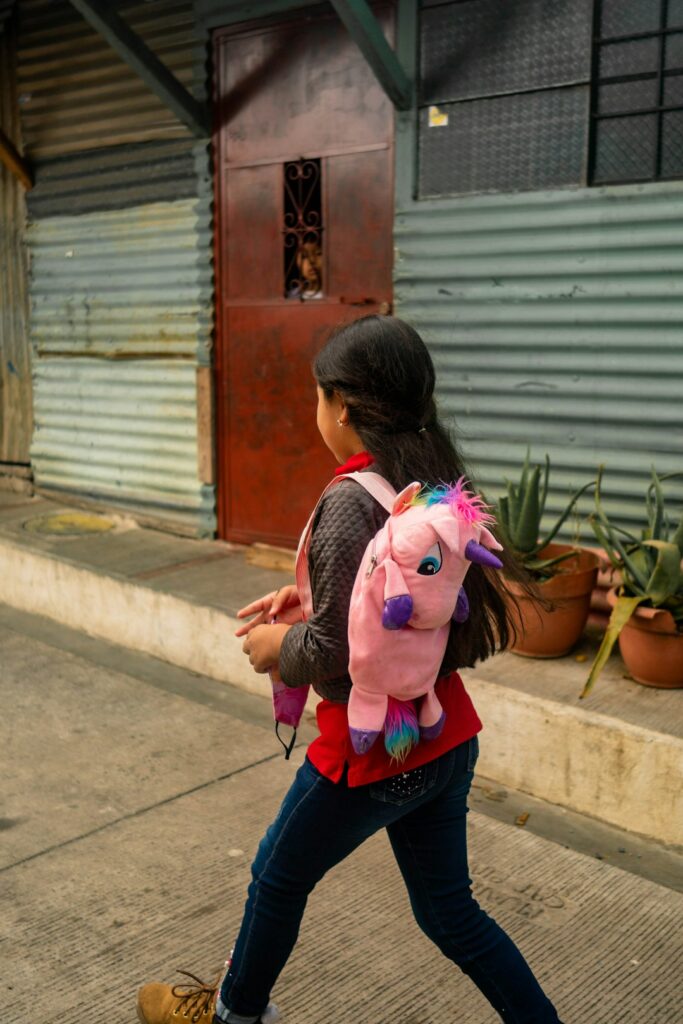
As parents in Orangetown, New York, watch their children eagerly board the school bus each morning, one detail is easy to overlook: the weight of their backpacks. While it may seem minor, the burden on young shoulders can have far-reaching health implications. Understanding how backpack weight impacts children’s health—and how local families can make better choices—can help keep Orangetown’s youth healthy, active, and pain-free.
The Surprising Impact of Backpack Weight on Children’s Bodies
Children’s bodies are still developing, making them especially susceptible to injury. When a backpack is too heavy or worn incorrectly, it can lead to:
- Poor posture
- Muscle strain
- Back, neck, and shoulder pain
- Nerve compression
- Long-term spinal issues
According to the American Chiropractic Association, a child’s backpack should weigh no more than 10-15% of their body weight. Exceeding this guideline, which is common in many Orangetown schools due to loaded schedules and extracurriculars, puts undue stress on young bodies.
Signs Your Child’s Backpack Is Too Heavy
Parents often notice signs of discomfort after it’s too late. Be on the lookout for:
- Complaints of back, shoulder, or neck pain, especially at the end of the school week
- Red marks on the shoulders from straps digging in
- Leaning forward to balance the weight
- Trouble putting the backpack on or taking it off
Orangetown’s kids are known for their active lifestyles—cycling on the Joseph B. Clarke Rail Trail, participating in Little League at Veterans Memorial Park, and much more. Extra strain from heavy backpacks can cut into their playtime by increasing the risk of injury and fatigue.
How Heavy Backpacks Affect School Performance
It’s not just about discomfort—heavy backpacks can also hinder school performance. Children suffering from backpack-related pain may face:
- Difficulty concentrating in class due to discomfort
- Reduced participation in gym and sports activities
- Increased fatigue and irritability
- Reluctance to walk or bike to school, impacting local efforts to encourage active transport
In a community like Orangetown where families value education and extracurricular participation, these problems can be particularly disruptive.
Common Causes of Overweight Backpacks in Orangetown
Several factors contribute to the problem:
- Multiple textbooks and workbooks, especially in middle and high school
- Large personal items (laptops, water bottles, sports gear)
- Infrequent locker or cubby access due to school layouts or short passing times
- Community events and after-school programs requiring extra supplies
In Orangetown’s schools, where wide-ranging curriculum and strong athletics programs are the norm, backpacks can quickly become overloaded.

How to Choose and Wear Backpacks Correctly
To reduce the risk of injury, follow these recommendations:
- Choose ergonomic backpacks—look for wide, padded shoulder straps and a padded back panel.
- Use both shoulder straps—carrying a bag on one shoulder increases the risk of muscle imbalance and pain.
- Fit the backpack snugly—it should rest evenly on the middle of the back, not sag below the waist.
- Pack wisely—place the heaviest items closest to the back and use compartments to distribute weight evenly.
- Clean out regularly—remove unnecessary items weekly to prevent buildup.
Tips for Orangetown Parents: Keeping Kids Safe
Orangetown’s close-knit community is perfect for proactive health habits. Here are some local-specific tips:
- Encourage walking or biking with lighter packs—use campus lockers when possible to store non-essential books.
- Coordinate with teachers to limit the number of required textbooks each day.
- Shop local—many Orangetown stores carry ergonomic backpacks approved by pediatric health groups.
- Make smart use of after-school activity bags—keep sports gear in team bags at venues like Veterans Memorial Park, rather than carrying everything in one backpack.
When to Seek Professional Help
If your child regularly complains of pain, numbness, tingling, or notices changes in posture, it’s time to consult a professional. Chiropractors in Orangetown have extensive experience helping school-aged children. Early intervention can prevent minor aches from developing into lifelong problems.
Building Healthy Habits for a Strong Future
Protecting your child’s spine starts with small, daily choices. By promoting lighter loads, encouraging proper backpack use, and staying proactive, Orangetown families can safeguard their children’s health—helping them stay active and engaged in the activities that make this community so special.
Empower your kids to speak up about discomfort and take steps to reduce backpack weight today. Their bodies—and their futures—will thank you.
