
 See Our Latest Article on HelloNation
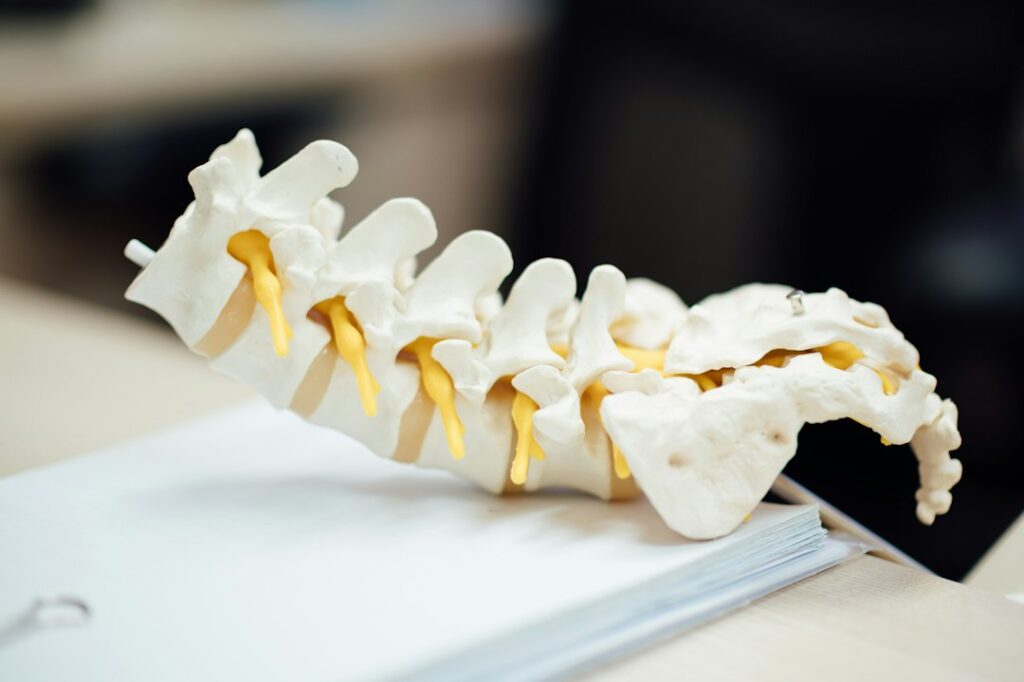
A “subluxation” can mean different things depending on who is using the term. In medical care, it usually means a partial dislocation in which a joint’s surfaces are no longer fully aligned. In chiropractic discussions, the word may describe altered movement or function in a spinal joint without a visible partial dislocation.
For residents of Orangetown, NY, understanding this distinction can make conversations about back pain, neck stiffness, imaging, and chiropractic care more productive. The term sounds precise, but it does not always describe the same condition.
What does subluxation mean medically?
A medical subluxation is a partial loss of normal joint alignment. It is more serious and structurally specific than ordinary stiffness. It may occur after trauma, such as a fall, collision, sports injury, or forceful twisting movement.
Medical subluxations can affect joints such as the shoulder, hip, kneecap, or spine. Depending on the joint involved, symptoms may include:
- Sudden pain after an injury
- Swelling or bruising
- Limited movement
- A feeling that the joint is unstable
- Visible deformity or an unusual position
- Numbness, tingling, or weakness if nearby nerves are affected
A suspected traumatic subluxation should not be “popped” back into place at home. Keeping the area still and obtaining timely medical evaluation is safer, particularly when there is severe pain, deformity, loss of sensation, or an inability to bear weight.
How is the chiropractic use of “subluxation” different?
In chiropractic care, subluxation may refer to a functional problem involving how a spinal joint moves, rather than a bone that has visibly shifted out of place. This usage can include changes in joint motion, muscle tension, posture, and sensitivity in surrounding tissues.
That concept is not identical to the medical definition. A spinal joint can be painful or restricted without being partially dislocated. Likewise, a person may have an abnormal finding on an X-ray without that finding being the direct cause of current pain.
This difference matters because patients may hear “subluxation” and assume that a vertebra is dangerously out of alignment or pressing on every nerve in the body. That conclusion is usually too broad. The meaning depends on the examination, the history of injury, and the type of assessment being used.
What symptoms might be associated with a spinal movement problem?
A functional spinal problem may be associated with localized pain, stiffness, muscle guarding, or reduced range of motion. Symptoms can be felt in the neck, upper back, lower back, or nearby muscles.
For example, someone who spends long hours at a computer, lifts household items, or shovels snow may develop back or neck discomfort after muscles tighten and normal movement becomes uncomfortable. Seasonal slips on icy walkways can also cause sudden strains or injuries that require a different type of evaluation.
Symptoms alone cannot confirm a subluxation. Similar complaints may result from a muscle strain, ligament injury, arthritis, disc irritation, nerve compression, fracture, infection, or another medical condition. A careful history and physical examination are more useful than relying on the label alone.
Does a subluxation show up on an X-ray?
A structural medical subluxation may be visible on imaging, depending on the joint and the quality and timing of the study. A functional movement problem may not appear as a clear abnormality on a static X-ray.
X-rays are mainly used to examine bones and alignment. They do not show every cause of pain, and they do not measure all aspects of movement, muscle control, or nerve function. Other imaging, such as magnetic resonance imaging, may be considered when symptoms suggest a disc, spinal cord, nerve, or soft-tissue problem.
Imaging is not automatically necessary for every episode of back or neck pain. It is more commonly considered when there has been significant trauma, persistent or worsening symptoms, neurological changes, a history of cancer, suspected infection, or other warning signs.
Why does the distinction matter?
The distinction helps prevent both unnecessary fear and false reassurance.
Calling every ache a subluxation can make ordinary muscle soreness sound like a major structural injury. On the other hand, assuming that an adjustment will correct every problem may delay care for a fracture, serious nerve compression, or another condition that needs medical treatment.
A useful discussion should clarify:
- What exactly does the term mean in this situation?
- Is the concern based on symptoms, examination findings, or imaging?
- Is there evidence of a partial dislocation or only restricted movement?
- What other diagnoses were considered?
- What improvement should reasonably be expected?
- What symptoms would require a different type of care?

Clear language is especially helpful when more than one type of clinician is involved.
Can spinal manipulation help with pain?
Spinal manipulation is one treatment used in chiropractic care and by some other licensed health professionals. Research suggests it may provide modest relief or functional improvement for some people with certain types of low-back pain and neck pain. It is not appropriate for every person or every diagnosis.
Common short-term effects can include temporary soreness, stiffness, or aching. Serious complications are uncommon, but risk depends on the technique, the body region, the person’s health, and the condition being treated. Neck manipulation requires particular caution because rare but serious complications have been reported.
Before any manipulation, a patient should share relevant information such as recent trauma, osteoporosis, cancer history, blood-clotting problems, use of blood thinners, inflammatory arthritis, prior spinal surgery, severe headaches, dizziness, numbness, or weakness.
When should back or neck symptoms be evaluated urgently?
Prompt medical evaluation is appropriate after major trauma or when pain is accompanied by warning signs. Emergency care may be needed for:
- New loss of bladder or bowel control
- Numbness in the groin or inner thighs
- Significant or worsening weakness in an arm or leg
- Inability to walk normally
- Severe neck pain after a fall or collision
- Fever with severe spinal pain
- Unexplained weight loss with persistent pain
- A history of cancer combined with new, unusual pain
- Sudden severe headache, facial drooping, speech difficulty, or loss of coordination
These symptoms do not prove a serious spinal disorder, but they should not be attributed automatically to a routine subluxation.
What should a person ask before accepting the diagnosis?
A patient can reasonably ask for the diagnosis to be explained in plain language. Useful questions include whether the finding is structural or functional, whether imaging is needed, what treatment alternatives exist, and how progress will be measured.
It is also reasonable to ask what will happen if symptoms do not improve. A plan based on pain levels, strength, mobility, daily activities, and neurological findings is more informative than a plan based only on repeated labels or the appearance of an X-ray.
The most practical takeaway is simple: “subluxation” is not one universal diagnosis. Its significance depends on whether it refers to a true partial dislocation, a suspected movement dysfunction, or a broader chiropractic model. Understanding that difference helps local residents make safer decisions about pain, injury, imaging, and spinal manipulation.
